Introduction
Every great nurse begins with a strong educational foundation, but becoming a truly competent healthcare professional requires more than classroom learning. While textbooks provide essential medical knowledge, real confidence is built through practical experience. Clinical training is where nursing students transform theory into action, develop critical thinking skills, and learn how to provide safe, compassionate, and professional patient care.
Clinical education is one of the defining features of quality nursing programmes. It allows students to apply what they have learned in lectures and laboratories while working under the guidance of experienced healthcare professionals. Through supervised practice, nursing students gain confidence, improve communication skills, and understand the realities of caring for patients in different healthcare settings.
At AA Nursing School in The Gambia, clinical training is an essential part of preparing students for successful careers in healthcare. The school believes that excellent nurses are developed through a combination of academic knowledge, ethical practice, and meaningful hands-on experience.
This article explores why clinical training is so important, what students can expect during their practical education, and how these experiences prepare graduates to serve patients and communities with professionalism and compassion.
What Is Clinical Training?
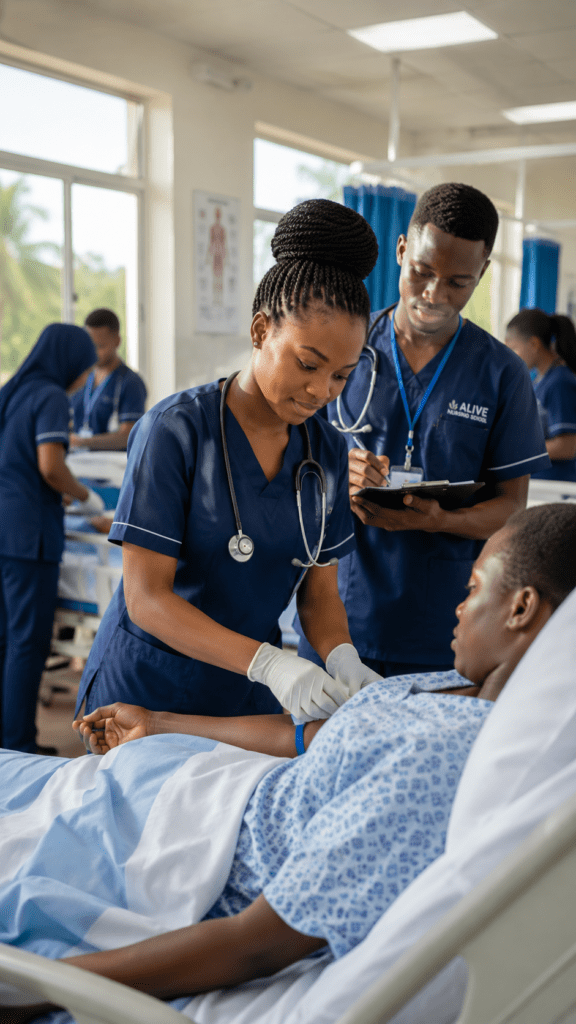
Clinical training is the practical component of nursing education where students apply classroom knowledge in real healthcare environments. Instead of learning only from textbooks, students observe experienced nurses, practice essential procedures, interact with patients, and become active members of healthcare teams under appropriate supervision.
Clinical learning allows students to understand how healthcare works beyond the classroom. They witness how nurses communicate with patients, collaborate with doctors and other professionals, prioritize patient needs, and make informed decisions in busy healthcare settings.
These experiences help students develop the confidence and competence required to transition successfully into professional practice after graduation.
Why Practical Experience Is Essential in Nursing
Healthcare is dynamic, and no two patients are exactly alike. A nurse may care for a child with a high fever in the morning, assist an elderly patient recovering from surgery in the afternoon, and educate a family about disease prevention before the day ends.
While textbooks explain diseases and treatments, practical experience teaches students how to adapt that knowledge to individual patients. Clinical training helps students understand that nursing is not simply about following procedures—it is about providing holistic care that addresses physical, emotional, psychological, and social needs.
Hands-on learning also allows students to develop confidence in performing procedures safely and accurately. Repeated practice under supervision reduces anxiety and helps students become more comfortable in healthcare environments.
Bridging the Gap Between Theory and Practice
One of the greatest challenges for new nursing students is learning how to connect classroom lessons with real patient care.
For example, students may spend weeks studying anatomy, physiology, and pharmacology. During clinical placements, they begin to see how this knowledge influences everyday nursing decisions.
A student who understands the respiratory system can better recognize signs of breathing difficulties. A student who has learned pharmacology understands why medications must be administered carefully and according to established guidelines.
This connection between theory and practice strengthens understanding and improves clinical judgment.
Skills Students Develop During Clinical Training
Clinical placements expose students to a wide range of experiences that contribute to their professional development.
Patient Assessment
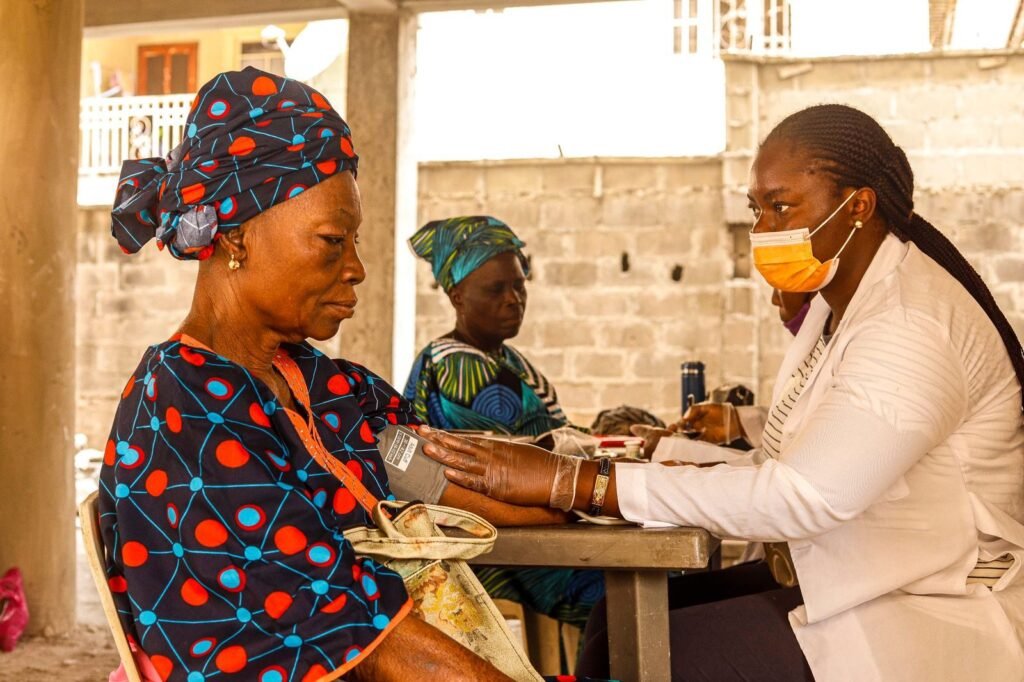
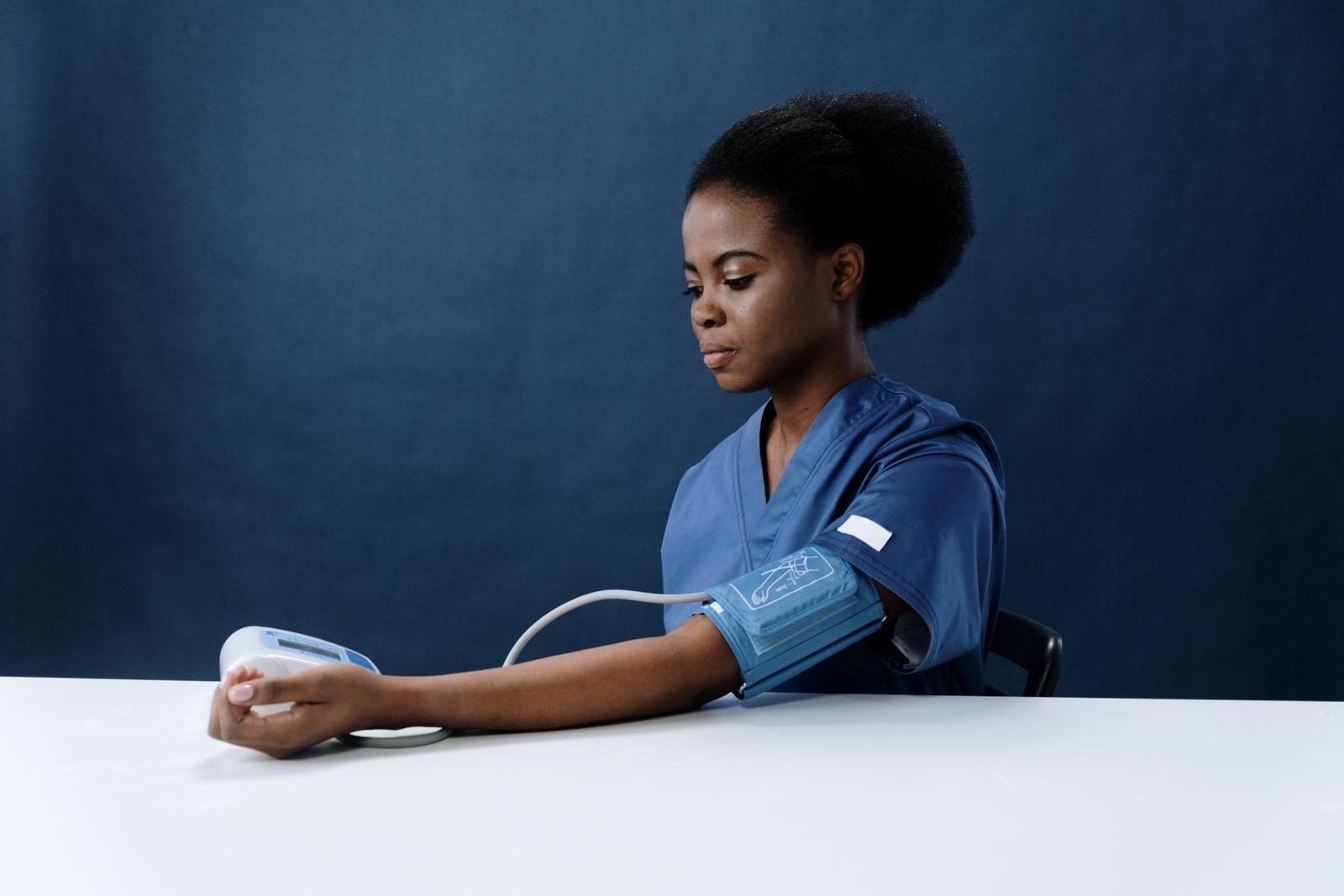
Assessment is often the first step in providing effective care. Students learn how to observe patients, ask appropriate questions, measure vital signs, recognize changes in condition, and report important findings to supervisors.
Developing strong assessment skills enables future nurses to identify problems early and contribute to timely interventions.
Infection Prevention and Control
Preventing infections is one of the nurse’s most important responsibilities.
During clinical training, students learn proper hand hygiene, the correct use of personal protective equipment (PPE), safe handling of medical equipment, and methods for reducing the spread of infections within healthcare facilities.
These practices protect patients, healthcare workers, and the wider community.
Safe Medication Practices
Medication administration requires accuracy, attention to detail, and a thorough understanding of safety procedures.
Under supervision, students learn how medications are prepared, administered, documented, and monitored. They also understand the importance of verifying patient identity, following prescribed instructions, and observing for possible side effects.
Developing safe medication practices early in training helps reduce the risk of errors and promotes patient safety.
Communication Skills
Excellent communication is one of the hallmarks of professional nursing.
Clinical placements teach students how to:
- Speak respectfully with patients.
- Explain procedures clearly.
- Listen actively to patient concerns.
- Provide emotional support.
- Communicate effectively with healthcare teams.
- Document patient information accurately.
Strong communication improves patient satisfaction, strengthens teamwork, and enhances the quality of care.
Teamwork
Healthcare is a collaborative profession.
Nurses work alongside physicians, pharmacists, laboratory professionals, physiotherapists, nutritionists, and many other healthcare workers. Clinical experience teaches students the importance of cooperation, mutual respect, and effective collaboration.
Learning to function as part of a multidisciplinary team prepares graduates for professional practice after completing their education.
Building Confidence Through Supervised Practice
Many students feel nervous during their first clinical placement. Meeting patients for the first time, performing procedures, and working in unfamiliar environments can seem overwhelming.
Fortunately, confidence develops gradually.
Experienced instructors and clinical supervisors provide guidance, answer questions, demonstrate procedures, and offer constructive feedback. As students gain experience, they become more comfortable performing nursing tasks and communicating with patients.
Every successful nurse once experienced those same first-day uncertainties. Clinical education is designed to transform uncertainty into confidence through consistent learning and practice.
Developing Professionalism
Professional behaviour is an important part of clinical education.
Students learn that nursing involves more than technical ability. They are expected to demonstrate honesty, respect, punctuality, accountability, and ethical conduct throughout their training.
Professionalism includes:
- Respecting patient privacy.
- Maintaining confidentiality.
- Treating every patient equally.
- Following hospital policies.
- Wearing appropriate uniforms.
- Demonstrating reliability and responsibility.
- Maintaining respectful relationships with colleagues.
These values become habits that remain throughout a nurse’s career.
Learning Compassion Through Patient Care
One of the most valuable lessons clinical training teaches cannot be found in a textbook.
Students quickly discover that patients need more than medical treatment. They need kindness, patience, reassurance, and understanding.
A simple smile, listening carefully to a patient’s concerns, or offering words of encouragement can make a significant difference during difficult moments.
Clinical education helps students develop empathy while maintaining professional boundaries. This balance is one of the defining characteristics of excellent nursing care.
Facing Challenges During Clinical Training
Clinical education is rewarding, but it is also demanding.
Students may encounter situations that test their emotional resilience, communication skills, and ability to remain calm under pressure.
Common challenges include:
- Managing busy clinical schedules.
- Adapting to new healthcare environments.
- Caring for seriously ill patients.
- Balancing classroom assignments with practical learning.
- Learning new procedures.
- Overcoming nervousness during patient interactions.
These challenges are a natural part of professional growth. With guidance from instructors and consistent practice, students become more capable and confident over time.
How Clinical Training Benefits Communities
Well-trained nurses contribute directly to healthier communities.
Clinical education prepares future nurses to:
- Promote disease prevention.
- Support maternal and child health.
- Educate families about healthy lifestyles.
- Encourage immunization programmes.
- Assist with chronic disease management.
- Respond during public health emergencies.
- Improve patient safety.
By developing competent healthcare professionals, nursing education contributes to stronger healthcare systems throughout The Gambia.