Introduction
Nursing is one of the most respected and essential professions in the world. Nurses play a critical role in promoting health, preventing illness, supporting recovery, and improving the quality of life for individuals, families, and communities. In The Gambia, where healthcare services continue to expand to meet the needs of a growing population, qualified nurses are more important than ever.
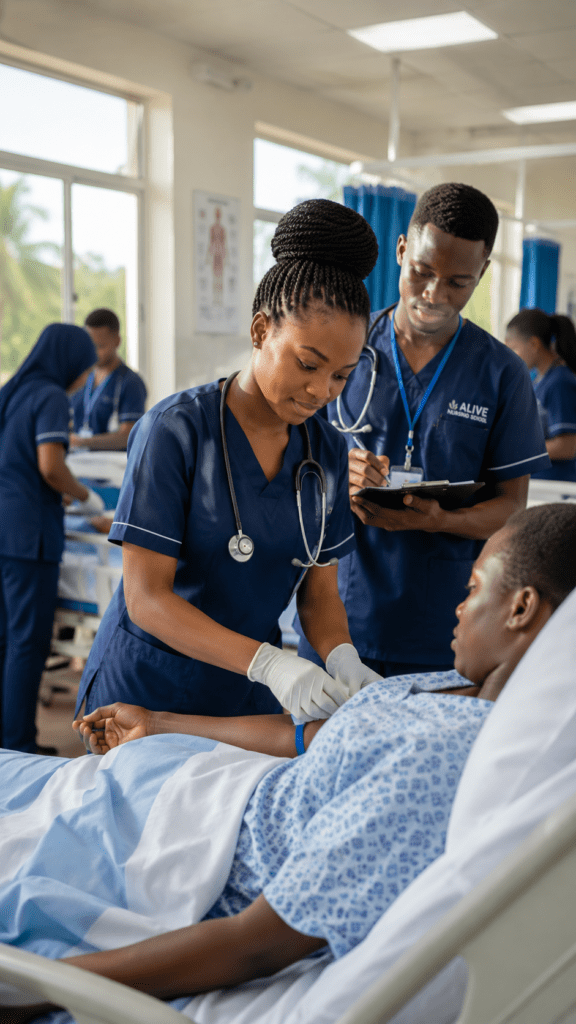
Choosing nursing is about more than securing a stable career—it is about making a meaningful difference in people’s lives every single day. Whether caring for newborn babies, supporting expectant mothers, assisting surgeons in operating theatres, educating communities about disease prevention, or comforting elderly patients, nurses are at the heart of healthcare.
If you are considering a career in nursing, this comprehensive guide will help you understand what the profession involves, the qualities needed to succeed, the educational journey ahead, and the exciting career opportunities available in The Gambia. It will also show how AA Nursing School prepares aspiring nurses to become competent, compassionate, and confident healthcare professionals.
Why Nursing Is a Great Career Choice
Few professions offer the level of personal fulfillment and career stability that nursing provides. Every day presents an opportunity to positively impact someone’s life.
Some of the reasons many people choose nursing include:
Making a Difference
Every patient has a story. Some are recovering from surgery, others are managing chronic illnesses, while some simply need reassurance during difficult moments. Nurses become trusted caregivers who provide both medical support and emotional comfort.
The gratitude expressed by patients and their families often becomes one of the greatest rewards of the profession.
Strong Job Opportunities
Healthcare services are always needed, regardless of economic conditions. As populations grow and healthcare needs become more complex, qualified nurses continue to be in demand.
In The Gambia, healthcare institutions—including hospitals, clinics, maternity centers, community health facilities, and private medical practices—depend on skilled nurses to provide quality patient care.
Career Growth
Nursing is not a career with only one path. After gaining experience, nurses may specialize in areas such as:
- Pediatric nursing
- Midwifery
- Mental health nursing
- Community health
- Critical care
- Emergency nursing
- Surgical nursing
- Public health
- Geriatric nursing
Many nurses also advance into leadership, education, research, and healthcare management roles.
What Does a Nurse Do?
The responsibilities of a nurse extend far beyond administering medication.
Professional nurses are responsible for:
- Assessing patients’ physical and emotional conditions
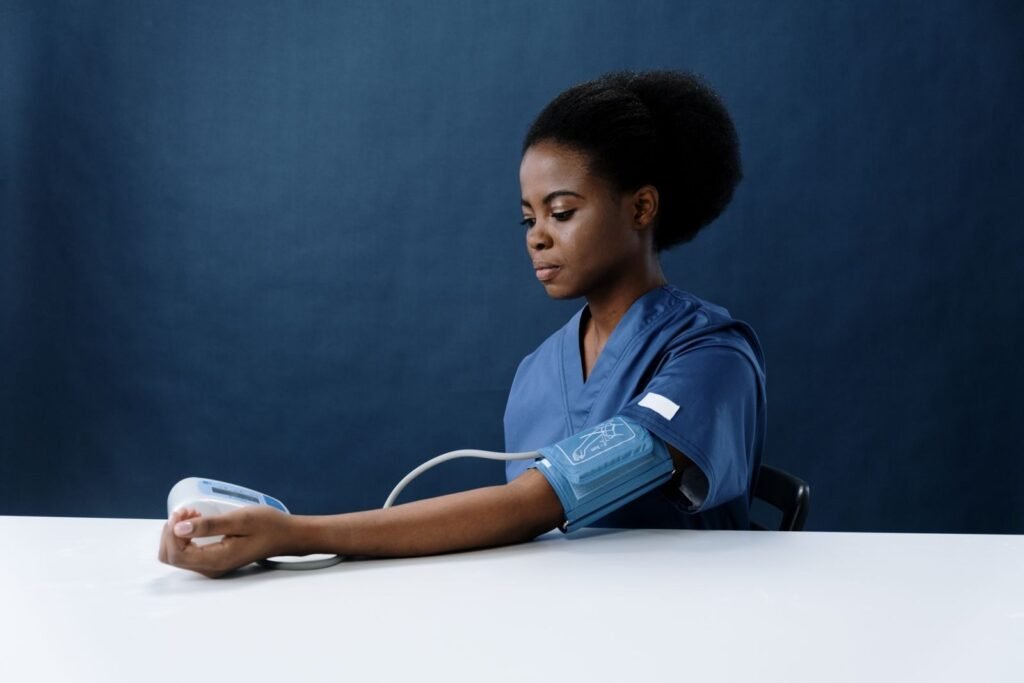
- Monitoring vital signs
- Administering medications safely
- Assisting doctors during examinations and procedures
- Educating patients about health conditions
- Supporting families through difficult situations
- Maintaining accurate medical records
- Preventing infections through proper hygiene practices
- Responding quickly during medical emergencies
- Advocating for patient safety
Nurses often become the healthcare professionals who spend the most time with patients, making their role essential to successful treatment and recovery.
Essential Qualities Every Successful Nurse Should Have
While technical knowledge is important, excellent nurses also possess strong personal qualities.
Compassion
Patients may be frightened, anxious, or in pain. A compassionate nurse listens carefully, offers reassurance, and treats every patient with dignity and respect.
Compassion creates trust and helps patients feel safe throughout their healthcare journey.
Communication Skills
Clear communication is vital in healthcare.
Nurses communicate with:
- Patients
- Families
- Doctors
- Pharmacists
- Laboratory professionals
- Other nurses
- Healthcare administrators
Effective communication helps prevent misunderstandings and improves patient outcomes.
Critical Thinking
Healthcare situations can change rapidly.
Nurses must be able to:
- Observe changes in a patient’s condition
- Analyze information
- Prioritize care
- Make sound clinical decisions
- Respond appropriately during emergencies
Critical thinking develops through education, simulation exercises, and clinical experience.
Attention to Detail
A small mistake in medication dosage, patient identification, or documentation can have serious consequences.
Professional nurses develop careful attention to detail throughout their training.
Emotional Strength
Nursing involves caring for people during some of the most challenging moments of their lives.
Successful nurses learn how to remain calm, supportive, and professional while managing emotionally demanding situations.
Educational Requirements for Nursing Students
A successful nursing career begins with quality education.
Students entering nursing school should be prepared to study subjects including:
- Human anatomy
- Physiology
- Microbiology
- Pharmacology
- Nutrition
- Psychology
- Medical ethics
- Infection prevention
- Community health
- Medical-surgical nursing
- Maternal and child health
These subjects provide the scientific foundation required for safe and effective nursing practice.
The Importance of Clinical Training
One of the most valuable aspects of nursing education is clinical practice.
Clinical training allows students to apply classroom knowledge in real healthcare settings under the supervision of experienced professionals.
During clinical placements, students learn how to:
- Measure vital signs accurately
- Perform patient assessments
- Maintain infection control standards
- Administer medications safely
- Assist with wound care
- Care for patients before and after surgery
- Communicate effectively with healthcare teams
- Document patient information accurately
These experiences build confidence while helping students develop professional judgment.
Common Challenges Nursing Students Face
Nursing school is rewarding, but it can also be demanding.
Some common challenges include:
Managing Heavy Coursework
Students often balance lectures, assignments, laboratory sessions, and clinical placements.
Developing strong organizational skills helps reduce stress.
Learning Medical Terminology
Healthcare uses specialized language.
Although it may seem overwhelming initially, regular study and practical application make medical terminology easier to understand.
Balancing Theory and Practice
Students must understand scientific concepts while also mastering practical nursing skills.
Consistent practice in laboratories and clinical settings helps bridge this gap.
Building Confidence
Many students feel nervous during their first patient interactions.
Confidence develops gradually through supervised clinical experience and constructive feedback from instructors.
Tips for Success in Nursing School
Every successful nurse began as a student.
The following strategies can help students succeed throughout their training.
Stay Organized
Use a planner or digital calendar to keep track of lectures, assignments, examinations, and clinical rotations.
Attend Every Class
Regular attendance helps students understand important concepts that may not be fully covered in textbooks.
Practice Skills Frequently
Clinical skills improve through repetition.
Use laboratory sessions to build confidence before working with patients.
Form Study Groups
Learning with classmates encourages discussion, improves understanding, and provides additional support during challenging topics.
Ask Questions
Never hesitate to seek clarification from instructors.
Healthcare requires accuracy, and asking questions demonstrates a commitment to learning.
Take Care of Yourself
Healthy eating, adequate sleep, regular exercise, and stress management all contribute to academic success and personal well-being.
Career Opportunities After Graduation
Graduates of nursing programs have many employment opportunities.
Professional nurses may work in:
- Public hospitals
- Private hospitals
- Community health centres
- Primary healthcare facilities
- Maternal and child health clinics
- Schools
- Non-governmental organizations (NGOs)
- International health organizations
- Rehabilitation centres
- Home healthcare services
- Occupational health departments
- Public health programmes
With additional education and experience, nurses may also become educators, administrators, researchers, or healthcare managers.
The Role of Nurses in Improving Healthcare in The Gambia
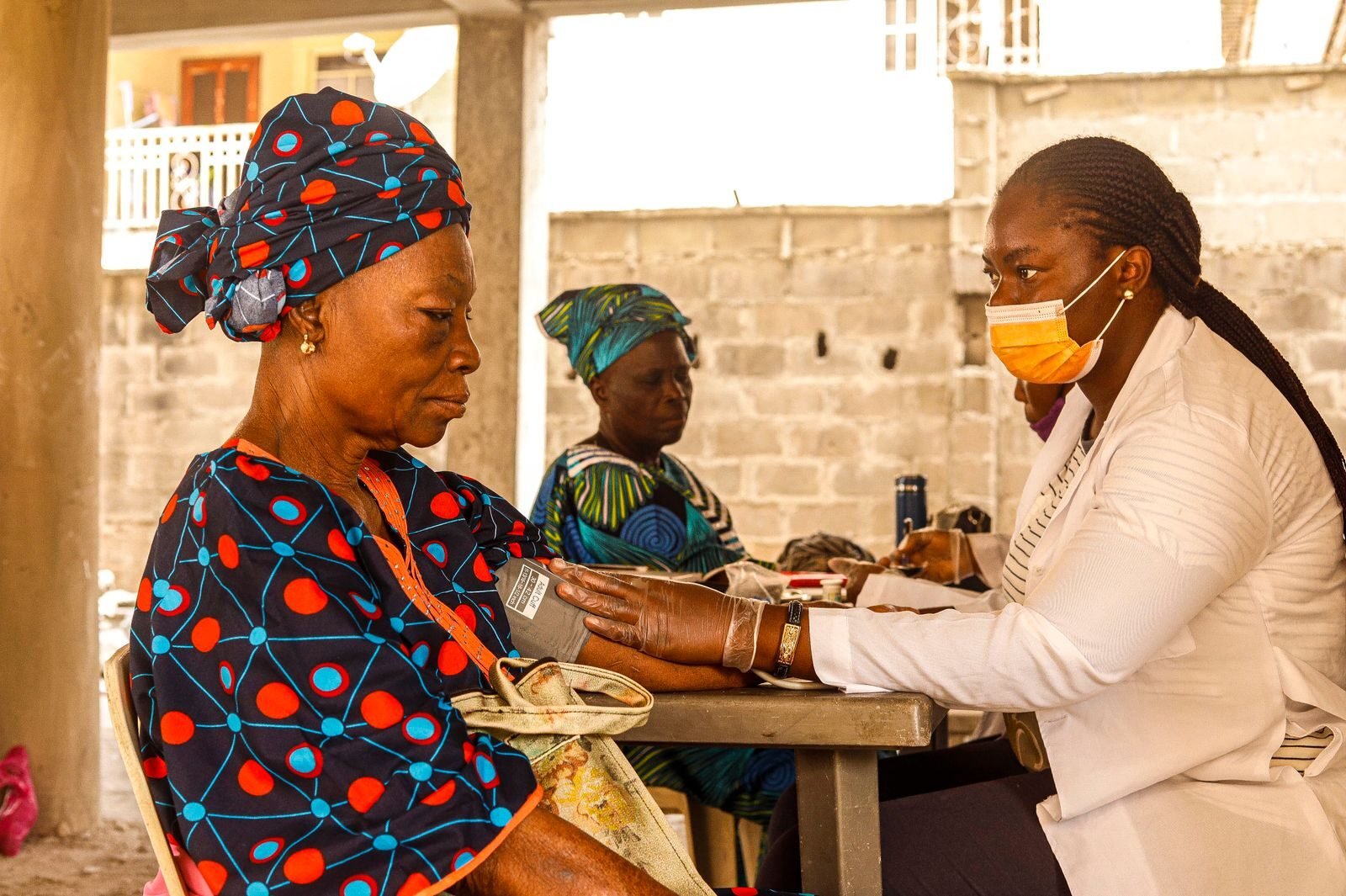
Healthcare continues to evolve in The Gambia, with increasing efforts to improve access to quality medical services across both urban and rural communities.
Nurses play a central role in these efforts by:
- Promoting disease prevention
- Supporting maternal and child health
- Providing immunization services
- Educating communities about healthy lifestyles
- Managing chronic diseases
- Responding during public health emergencies
- Delivering compassionate patient care
As the country’s healthcare system grows, well-trained nurses remain essential to improving health outcomes and strengthening communities.